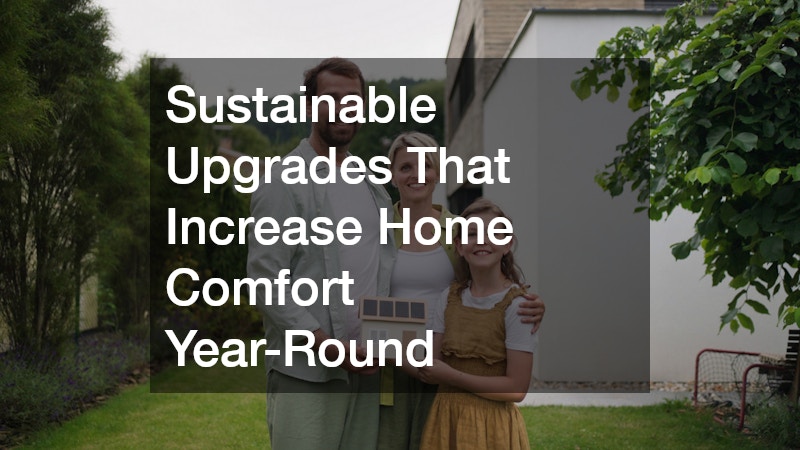
A comfortable home is about more than keeping the thermostat at the right number. True comfort comes from stable indoor temperatures, clean air, reliable systems, low noise levels, and spaces that function well no matter the season. Sustainable upgrades support all of those goals at once. They reduce wasted energy, limit avoidable repairs, and make daily life easier without sacrificing performance.
Many homeowners assume sustainability requires major renovations or expensive technology, but some of the most effective improvements are surprisingly practical. Better insulation, smarter mechanical systems, improved ventilation, and preventative maintenance often create the biggest impact over time. The result is a house that stays cooler during humid summers, warmer during winter cold snaps, and healthier throughout the year.
Small issues tend to reveal themselves gradually. A room that never cools properly in July. A draft near the windows in January. Higher energy bills without a clear explanation. These problems are often connected, and addressing them strategically can dramatically improve how a home feels every day.
Improving Indoor Climate Control Throughout the Year
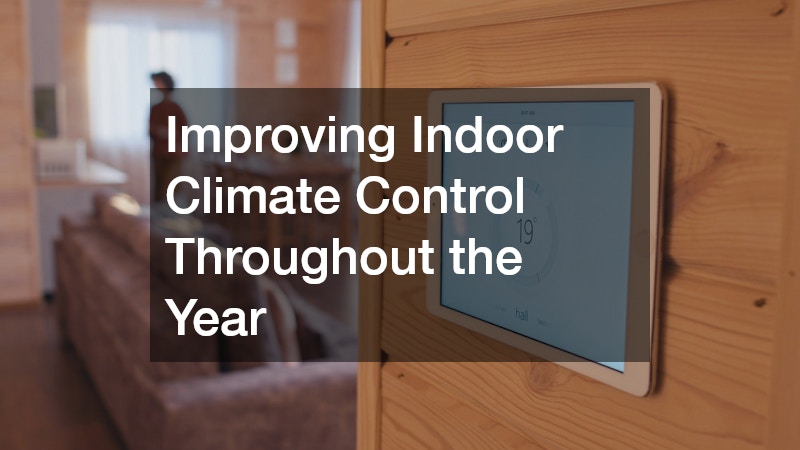
Heating and cooling systems influence nearly every aspect of indoor comfort. Even homes with modern finishes and efficient appliances can feel uncomfortable if airflow is inconsistent or the HVAC system struggles to keep up with seasonal demands.
One of the most common frustrations homeowners experience is uneven temperature distribution. Bedrooms may feel stuffy while living rooms remain cold, or upper floors become significantly warmer than lower levels during summer. In many cases, the issue is not simply the age of the equipment but how efficiently the entire system operates together.
A qualified local HVAC company can evaluate airflow patterns, duct leakage, thermostat placement, and insulation performance to identify why certain rooms never seem comfortable. These assessments often reveal issues homeowners would never notice on their own, such as disconnected duct sections hidden in attics or poorly balanced vents restricting circulation.
Cooling problems also tend to worsen gradually. Homeowners may ignore small warning signs for months before the system eventually breaks down during the hottest part of summer. Delaying AC repairs can increase energy usage because struggling systems must run longer to maintain indoor temperatures.
Some early warning signs include:
- Warm air coming from vents
- Excessive indoor humidity
- Unusual noises during operation
- Sudden spikes in utility bills
- Short cycling or frequent restarting
Addressing these problems early can improve efficiency while extending equipment lifespan. A system operating under strain consumes more electricity and creates unnecessary wear on components.
Technology has also changed how homeowners manage indoor comfort. Smart thermostats now adapt to household schedules, monitor energy usage, and adjust temperatures automatically based on occupancy patterns. Combined with zoning systems, they allow different areas of the home to maintain separate temperature settings, which reduces energy waste while improving comfort.
Sustainable climate control is not only about buying newer equipment. It is also about creating a balanced indoor environment where systems work efficiently instead of constantly compensating for hidden inefficiencies.
Creating Warmer and More Efficient Living Spaces
Winter comfort depends on far more than simply producing heat. Homes that retain warmth effectively usually feel quieter, drier, and more stable overall. Drafts disappear, cold spots shrink, and indoor temperatures remain consistent even during severe weather.
Older heating systems often lose efficiency long before they stop functioning completely. Many homeowners notice subtle changes first: rooms take longer to warm up, the furnace cycles more frequently, or utility costs climb each year despite similar usage habits. These signs usually indicate declining performance rather than temporary fluctuations.
Scheduling heating repairs early in the season prevents small mechanical issues from escalating into expensive failures during peak winter demand. A worn blower motor, clogged burner assembly, or faulty ignition system may reduce efficiency for months before causing a complete shutdown.
At the same time, many homeowners are rethinking how their homes generate heat altogether. Modern heat pump installation projects have become increasingly popular because heat pumps provide both heating and cooling from a single system while using significantly less energy than traditional equipment.
Unlike older systems that rely entirely on combustion or electric resistance heating, heat pumps transfer heat rather than create it directly. This process dramatically improves efficiency, especially in moderate climates. Newer cold-weather heat pumps also perform much better during winter than earlier generations did.
For homeowners planning long-term upgrades, heat pumps offer several advantages:
- Lower annual energy consumption
- Reduced greenhouse gas emissions
- Quieter operation indoors and outdoors
- Improved humidity control during summer
- Fewer separate mechanical systems to maintain
Comfort improvements are often noticeable almost immediately after installation. Instead of blasts of excessively hot air followed by cooling periods, heat pumps tend to maintain steadier indoor temperatures throughout the day.
Insulation and air sealing also play major supporting roles. Even highly efficient systems struggle when warm air escapes through attic gaps, poorly sealed doors, or uninsulated crawl spaces. Sustainable comfort depends on reducing the workload placed on heating equipment whenever possible.
Some homeowners discover that relatively small improvements make a major difference. Sealing attic penetrations, replacing weather stripping, or adding insulation above garage ceilings can noticeably improve warmth retention without requiring a full renovation.
Reducing Water Waste Without Sacrificing Convenience
Water efficiency upgrades are often associated with environmental responsibility, but they also improve everyday comfort in practical ways. Better plumbing systems create more reliable water pressure, faster hot water delivery, fewer leaks, and cleaner indoor environments.
Many older homes quietly waste water for years through hidden plumbing problems. Slow leaks inside walls, inefficient fixtures, and aging supply lines increase utility costs while potentially damaging structural materials over time.
A skilled residential plumber can identify inefficiencies that homeowners rarely notice until significant damage occurs. Even small leaks beneath sinks or behind appliances can contribute to mold growth, warped flooring, and higher humidity levels indoors.
Modern plumbing upgrades often focus on improving performance while reducing unnecessary consumption. High-efficiency fixtures no longer feel restrictive the way earlier low-flow products sometimes did. New showerheads maintain strong pressure while using substantially less water, and dual-flush toilets allow homeowners to reduce waste without affecting functionality.
Hot water systems also influence comfort more than many people realize. Long waits for warm water create frustration while wasting gallons each day. Recirculating systems, insulated pipes, and tankless water heaters can shorten wait times dramatically.
In kitchens and bathrooms, sustainable improvements frequently overlap with convenience upgrades. Touchless faucets reduce water waste while improving sanitation. Smart leak detectors send alerts before small issues become emergencies. Water filtration systems improve drinking quality while reducing dependence on bottled water.
Some of the most valuable improvements are preventative rather than cosmetic. Replacing aging supply lines before failure, insulating exposed pipes, and improving drainage around foundations can prevent expensive repairs later while creating a healthier indoor environment.
Homeowners focused on sustainability sometimes overlook plumbing because pipes remain hidden behind walls and beneath floors. Yet water efficiency affects comfort every single day, from shower temperature consistency to indoor humidity control.
Protecting the Home Envelope From Energy Loss
The outer shell of a home determines how effectively indoor comfort is maintained. Even efficient HVAC systems struggle when conditioned air constantly escapes through damaged windows, deteriorating seals, or structural gaps.
Window problems often become most noticeable during seasonal extremes. In summer, sunlight pours through inefficient glass and overheats rooms by midafternoon. During winter, cold drafts develop around frames and create uncomfortable temperature fluctuations near exterior walls.
Many homeowners postpone residential window repairs because the issues appear cosmetic at first. However, cracked seals, damaged frames, and deteriorating glazing can significantly reduce efficiency over time. Condensation between panes, difficulty opening windows, or noticeable drafts usually indicate performance problems that should not be ignored.
Modern window improvements help stabilize indoor temperatures in several ways:
- Low-emissivity coatings reduce heat transfer
- Double- and triple-pane glass improves insulation
- Better frame materials minimize air leakage
- Proper sealing reduces moisture intrusion
These upgrades also improve noise reduction, which contributes to comfort in less obvious but equally important ways.
Chimneys create another common source of hidden energy loss. Small cracks in masonry or damaged dampers allow conditioned indoor air to escape throughout the year. Moisture infiltration around chimney structures can also damage surrounding materials and worsen insulation performance.
Scheduling local chimney repair services before severe weather arrives helps prevent these issues from escalating. Creosote buildup, deteriorating mortar joints, and flashing damage all affect both safety and efficiency.
Some homeowners notice immediate differences after sealing leaks around fireplaces and windows. Rooms maintain temperature longer, heating and cooling systems run less frequently, and indoor humidity becomes easier to manage.
Sustainable homes rely heavily on controlling unwanted air movement. The less conditioned air escapes, the less energy systems must consume to maintain comfort.
Preparing for Severe Weather and Power Interruptions
Extreme weather events are becoming more common across many regions, making household resilience an increasingly important part of sustainable living. Comfort depends not only on efficiency during normal conditions but also on a home’s ability to function during emergencies.
Power outages affect more than lightning. Without electricity, heating and cooling systems shut down, refrigerators stop running, sump pumps fail, and communication becomes more difficult. In some climates, prolonged outages can quickly create dangerous indoor conditions.
Installing a home generator provides stability during unpredictable weather while protecting critical household systems. Modern generators are quieter, more fuel-efficient, and more automated than older backup systems.
For families working remotely or caring for vulnerable household members, backup power can dramatically reduce stress during severe storms. Instead of scrambling for temporary solutions, homeowners maintain access to refrigeration, internet connectivity, medical devices, and climate control.
Choosing the right generator depends heavily on household priorities. Some homeowners only need essential circuits powered during outages, while others want seamless whole-home operation.
When evaluating generator options, homeowners should consider:
- Fuel availability in their region
- Noise restrictions in their neighborhood
- Maintenance requirements
- Energy efficiency ratings
- Automatic transfer capabilities
Backup systems also support sustainability by protecting existing home investments. Frozen pipes, spoiled food, basement flooding, and humidity-related damage often create unnecessary waste after prolonged outages.
Preparedness extends beyond equipment itself. Homes that combine backup power with energy-efficient systems typically perform better during emergencies because they require less electricity overall. Well-insulated structures maintain temperatures longer, reducing strain on generators during extended outages.
Resilient homes are not designed solely for disasters. They are designed to remain functional and comfortable under changing conditions.
Improving Outdoor Spaces for Everyday Comfort
Sustainable living does not stop at the front door. Outdoor spaces contribute significantly to how a home functions year-round, especially for families who spend time entertaining, relaxing, or exercising outside.
Pools, patios, garages, and exterior gathering areas all influence energy use and maintenance demands. Poorly maintained outdoor systems can quietly increase water waste, utility costs, and repair expenses over time.
Swimming pools are a common example. Inefficient pumps, damaged plumbing lines, and unnoticed leaks force systems to work harder while increasing water consumption. Timely pool repair services help maintain water quality, improve circulation efficiency, and reduce unnecessary waste.
Pool covers are one of the simplest yet most effective sustainability upgrades available. They reduce evaporation, retain heat, and decrease chemical usage while extending swimming seasons in many climates.
Landscaping choices also affect comfort around outdoor living areas. Strategic tree placement provides natural shade that lowers surrounding temperatures and reduces cooling demands inside adjacent rooms. Permeable hardscaping materials help manage runoff while minimizing heat retention during summer.
Garages deserve more attention than they usually receive in discussions about sustainability. Attached garages frequently influence indoor temperatures because shared walls allow heat transfer into living spaces.
Many homeowners underestimate how much poorly insulated garage doors affect comfort. Upgrading older doors or working with experienced garage door companies to improve sealing and insulation can noticeably stabilize nearby room temperatures.
Garage improvements often include:
- Better weather stripping
- Insulated door panels
- Smart openers with energy-saving modes
- Improved ventilation systems
These changes become especially important when garages double as workshops, gyms, or storage areas for temperature-sensitive belongings.
Sustainable outdoor comfort is ultimately about reducing maintenance burdens while creating spaces that remain functional throughout changing seasons.
Making Long-Term Improvements That Truly Last
Many homeowners begin sustainability projects with a single goal in mind, such as lowering energy bills or improving comfort in one specific room. Over time, however, they often realize these upgrades create broader improvements throughout the entire house.
Better insulation reduces noise pollution. Efficient heating and cooling systems improve indoor air quality. Water-saving plumbing upgrades reduce moisture problems. Backup power systems increase peace of mind during emergencies.
The most successful home improvements usually happen gradually rather than all at once. Thoughtful planning allows homeowners to prioritize upgrades based on comfort concerns, seasonal needs, and long-term maintenance goals.
A house that performs efficiently year-round tends to feel calmer and easier to manage overall. Temperatures remain stable, systems operate more quietly, and homeowners spend less time reacting to emergencies or unexpected breakdowns.
Sustainability is not about perfection. It is about creating a home that supports daily life more effectively while reducing unnecessary waste and strain on household systems. Even relatively small changes can compound over time into major improvements in comfort, resilience, and quality of life.
About the Author