Achieving optimal energy efficiency in a modern home is far more than a trend; it is a critical strategy for asset preservation and financial predictability. Residential structures are continuously subjected to environmental stressors that degrade their materials, compromise their thermal boundaries, and force mechanical equipment to consume excessive amounts of power. When a home suffers from minor leaks, poor insulation, or outdated machinery, it experiences a steady financial drain that manifests as inflated monthly utility bills. For many homeowners, the true extent of this energy loss remains invisible, hidden away behind attic drywall, deep within exterior drainage lines, or buried inside the complex electrical components of major household appliances.
Optimize Your Shield: Advanced Envelope and Roofing Maintenance

The topmost boundary of a home serves as its primary defense against solar radiation, wind, precipitation, and thermal transfer. When this boundary is compromised, the efficiency of the entire living space drops dramatically. Conditioned air, which requires significant electrical energy to cool or heat, naturally rises and seeks out paths of least resistance. Minor structural breaches, damaged shingles, or degraded wood rot in the roof deck allow this treated air to bleed rapidly into the attic floor. Once moisture enters the attic space, it saturates insulation blankets, causing them to mat down and lose their rated thermal resistance. Tracking down these water entry paths requires careful inspection of the attic rafters for water stains, mold growth, or soft spots in the wood. Fixing these issues early ensures that your home’s baseline insulation works exactly as designed.
Because working on high-altitude structures involves inherent safety hazards and requires specialised diagnostic tools, homeowners should seek out qualified roofing companies to handle complex structural repairs and thermal imaging audits. Professional teams can use infrared cameras to detect exactly where cold or hot air is escaping through the roof deck, allowing for targeted patchwork rather than a costly full replacement.
Beyond structural integrity, the surface condition of your roofing material directly impacts how much heat enters your home during the summer. Over time, roofs frequently develop dark streaks and patches caused by a specific type of blue-green algae known as Gloeocapsa magma. These black colonies do not just look unappealing; they actively break down the protective limestone granules embedded in asphalt shingles, shortening their lifespan. Furthermore, because these streaks are dark, they create a massive heat sink on top of the house, absorbing intense solar radiation and driving attic temperatures to extreme levels.
To combat this, scheduling a low-pressure chemical wash is highly effective. Implementing a thorough roof cleaning kills the algae at its root without damaging the delicate shingle granules. By removing the dark stains and restoring the shingles’ natural reflectivity, you can drop attic temperatures significantly and decrease your reliance on air conditioning during peak summer afternoons.
Fortify External Drainage to Stabilize Foundation Climates
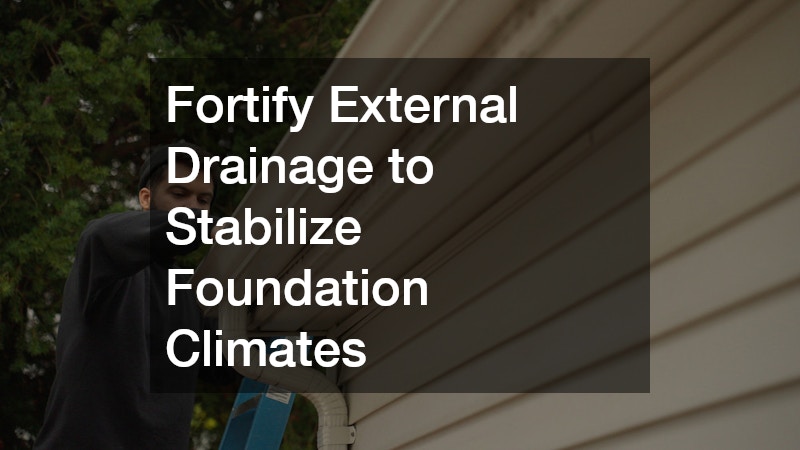
Water management outside the perimeter of a house plays a direct, though often overlooked, role in how much energy is consumed inside the living space. When external drainage systems fail, rainwater overflows and saturates the soil directly surrounding the foundation walls. This creates high hydrostatic pressure, pushing liquid moisture and water vapor through concrete pores and into the crawlspace or basement. As this water evaporates inside the lower levels of the home, it drives up the indoor relative humidity. High humidity levels make the air feel significantly warmer in the summer and colder in the winter, forcing occupants to lower their thermostats and forcing indoor air conditioners to run extended cycles to manage the high latent heat load.
Ensuring that rainwater is moved far away from the foundation requires clean, well-pitched perimeter channels. If your current system is sagging, leaking at the seams, or undersized for local storm patterns, hiring professional gutter installers can resolve these issues permanently. Seamless K-style systems, properly pitched at a slope of one-quarter inch for every ten horizontal feet, prevent overflow and ensure that moisture is directed safely into downspout extensions rather than soaking into the dirt adjacent to your basement walls.
In rural or suburban properties, subterranean waste management systems also influence the local environment around the home’s perimeter. A failing or backed-up septic field can oversaturate the nearby subsoil with dense effluent. This liquid saturation changes the thermal conductivity of the earth surrounding the home, disrupting the ground’s natural insulation properties and potentially exposing foundation walls to freezing or overheating cycles.
When a waste system reaches the end of its functional life or suffers from structural collapse, investing in a modern septic system installation is necessary to restore proper environmental balance. Modern installations utilize advanced materials and precise soil percolation testing to ensure that wastewater is distributed evenly and breaks down safely, keeping the surrounding ground dry, stable, and thermally non-conductive.
Practical Drainage Checklist for Homeowners
-
Regularly clear leaves and twigs from the upper channels to maintain an unobstructed path for water.
-
Install heavy-duty leaf guards to prevent debris accumulation and reduce seasonal maintenance requirements.
-
Verify that all downspout extensions terminate at least six feet away from the foundation slab.
-
Monitor the soil above your waste lines for sudden pooling or unusually lush vegetation growth, which indicates an underground leak.
Fine-Tune Indoor Climate Control Systems

Heating and cooling account for more than half of the energy consumed in an average residential property, making mechanical optimization the fastest route to lower utility bills. Older climate control machinery relies on obsolete engineering concepts, such as single-stage compressors that operate at one fixed speed. These older units must continuously turn on and off to maintain a set temperature, consuming a massive surge of electricity each time the motor restarts. Modern systems utilize variable-speed inverter technology, allowing the equipment to run continuously at very low, highly efficient speeds to maintain a perfectly stable indoor climate.
When evaluating an aging furnace or AC unit, look at the Seasonal Energy Efficiency Ratio and Annual Fuel Utilization Efficiency metrics. Upgrading from an outdated system to a highly rated modern equivalent through reputable heating and air conditioning companies can cut cooling and heating expenses immediately. Modern variable-capacity heat pumps can even extract warmth from freezing outdoor air, providing a clean alternative to fossil-fuel-based heating setups.
Even the most advanced climate control machinery will fail to deliver its promised efficiency if it is neglected. Minor issues, such as a thin layer of dust on an evaporator coil or an uncalibrated thermostat sensor, force the system to run longer cycles to achieve the desired temperature. Over time, these extended runtimes cause premature wear and tear, leading to expensive mechanical breakdowns.
To protect your investment, it is best to establish a seasonal maintenance plan with local HVAC services. Professional technicians can perform specialized tasks that go beyond standard filter changes, such as checking refrigerant charge levels, testing electrical capacitor safety limits, and measuring static pressure across the air ducts to locate restrictive blockages.
Key Areas Evaluated During a Professional HVAC Audit
-
Inspection of all ductwork joints for loose seals or tears that allow conditioned air to escape into unconditioned crawlspaces.
-
Chemical cleaning of outdoor condenser coils to ensure unrestricted heat rejection to the outside air.
-
Calibration of digital smart thermostats to make sure they are reading room air temperatures with absolute accuracy.
-
Measurement of electrical current pull on fan motors to detect failing bearings or winding degradation before a breakdown occurs.
Smart Fluid Dynamics and Fuel Cost Mitigation
Water heating is typically the second-largest energy expense in a household, often devouring close to one-fifth of the total utility budget. Traditional water heaters keep dozens of gallons of water hot twenty-four hours a day, regardless of whether anyone is home to use it. This results in constant standby heat loss through the walls of the tank. Furthermore, minor leaks in hot water pipes or dripping plumbing fixtures cause a slow, continuous loss of both water and the thermal energy used to heat it. Insulating exposed hot water lines with foam sleeves and dropping the tank’s baseline temperature setting to one hundred and twenty degrees Fahrenheit are quick, effective ways to reduce this waste.
For older homes with heavily corroded iron or copper lines, working with experienced local plumbers can help identify hidden leaks behind walls and transition the home to an on-demand, tankless water heater. These modern units only heat water at the exact moment a faucet is opened, eliminating standby heat loss entirely and providing an endless supply of hot water using a fraction of the energy.
For households that rely on liquid combustible fuel for winter warmth, macro-economic factors and seasonal supply constraints can cause extreme volatility in utility bills. When market demand peaks during historical cold snaps, fuel prices often surge to painful highs, making automated winter deliveries exceptionally expensive.
To protect your household budget from a volatile heating oil price, homeowners should adopt a proactive sourcing strategy. This involves purchasing fuel reserves during the late summer months when consumer demand is at its lowest and prices drop. Additionally, signing locked-in rate contracts with local distributors or installing intelligent dual-fuel controls that switch between an electric heat pump and a fuel furnace based on real-time cost-efficiency calculations can provide substantial relief from market spikes.
Future-Proof with Macro-Generation and Backup Reserves
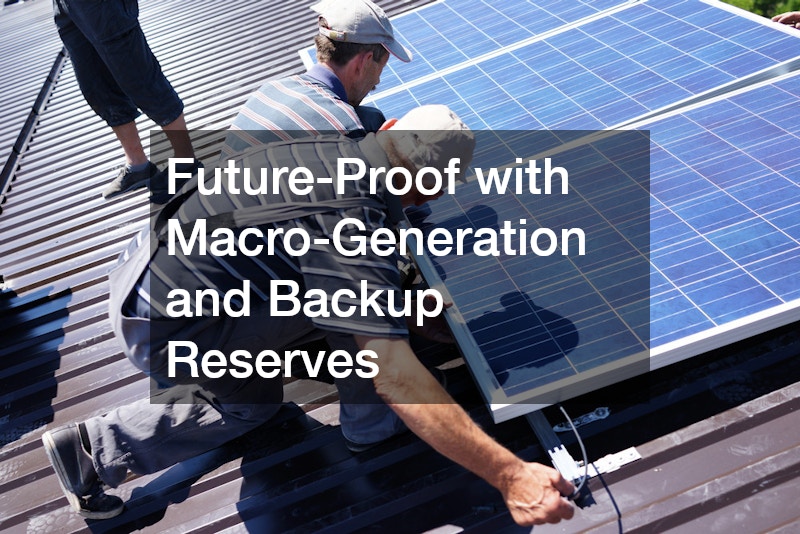
True energy resilience involves transitioning your home from a passive consumer of public utilities into an active, self-sustaining micro-generation asset. Traditional electrical grids rely on centralized power plants that lose significant amounts of energy during transmission across long-distance power lines. By generating electricity directly on your property, you eliminate these transmission losses and gain complete control over your power supply.
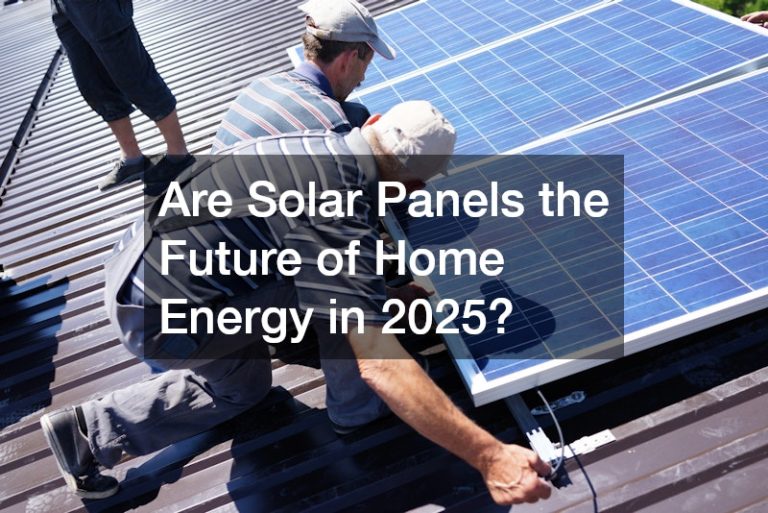
Installing a modern photovoltaic array allows you to capture clean, abundant energy from the sun and convert it into usable household electricity. To maximize this setup, a professional installer must evaluate your roof’s orientation, aiming for an unobstructed South or Southwest exposure to capture the maximum number of daily peak sun hours. Transitioning to solar power not only reduces your dependence on the municipal power grid but also allows you to take advantage of net-metering programs, where excess electricity generated during the day is sold back to the utility company for credits.
Critical Steps in a Solar Feasibility Assessment
-
Evaluating the structural load capacity of the existing roof rafters to ensure they can support the weight of the panel racking system.
-
Performing a comprehensive shading analysis using specialized tools to identify obstruction threats from nearby trees or structures.
-
Reviewing past electrical bills to calculate the precise kilowatt-hour capacity required to meet the home’s daily baseline demands.
-
Determining the optimal placement for central inverters to minimize the length of direct-current wiring runs.
While solar arrays provide incredible advantages during clear daylight hours, extreme weather events like severe ice storms, high winds, or summer heatwaves can compromise public infrastructure and cause extended blackouts. During these grid failures, standard solar systems automatically shut down for safety reasons to prevent sending power back down dangerous down lines. To ensure your home remains safe and operational during these emergencies, installing stationary emergency generators is highly recommended.
These units are permanently wired into your home’s electrical panel via an automatic transfer switch. The moment utility power drops, the standby generator fires up within seconds, supplying electricity to critical components like well pumps, medical equipment, refrigerators, and heating systems. Choosing a unit powered by natural gas or propane ensures a continuous fuel supply that will not spoil over time, giving your family complete independence and security through any prolonged municipal failure.
Transforming a residential property into a highly energy-efficient home requires looking at the building as a complete, unified system. Every upgrade and repair discussed in this guide plays an important role in supporting and enhancing the others. Sealing structural gaps in the roof and clearing external drainage lines creates a secure outer shell that protects the interior climate. With the outer envelope protected, high-efficiency heating, cooling, and plumbing systems can maintain comfortable indoor conditions with minimal effort. Finally, adding solar power and reliable emergency backup equipment turns the home into a self-sufficient power plant capable of handling both market price spikes and unexpected grid emergencies.
About the Author