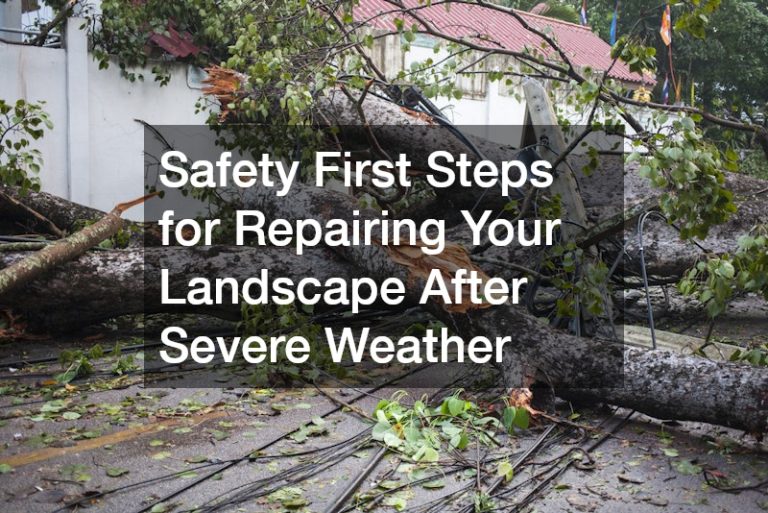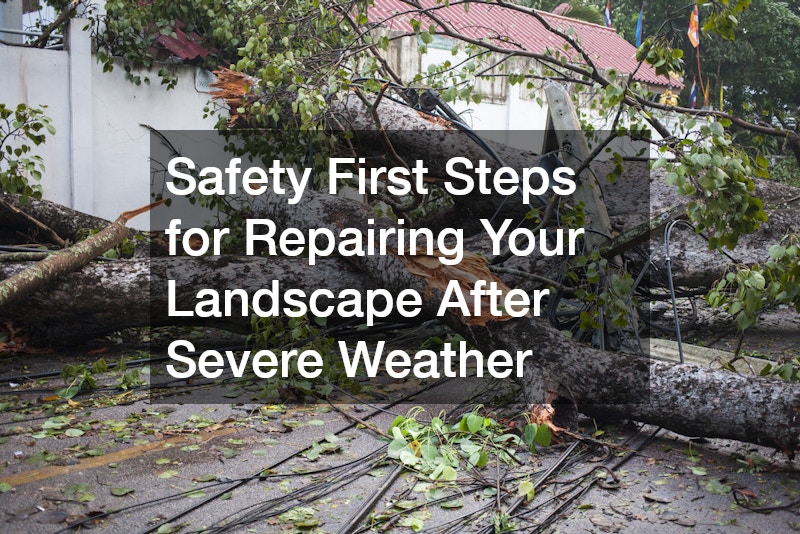
The immediate aftermath of a violent storm is a period defined by a surreal mixture of silence and disorder. For many homeowners, the sight of a beloved outdoor sanctuary reduced to a landscape of tangled limbs, shattered stone, and scattered debris is deeply distressing. However, the urge to immediately rush outside with a rake and a chainsaw must be tempered by a disciplined commitment to safety. Storm damage is rarely just an aesthetic issue; it often involves hidden structural compromises, unstable organic matter, and significant risks to life and limb. Before a single branch is moved or a stone is reset, a systematic approach to assessment must be established.
1. Identifying Immediate Life and Safety Hazards
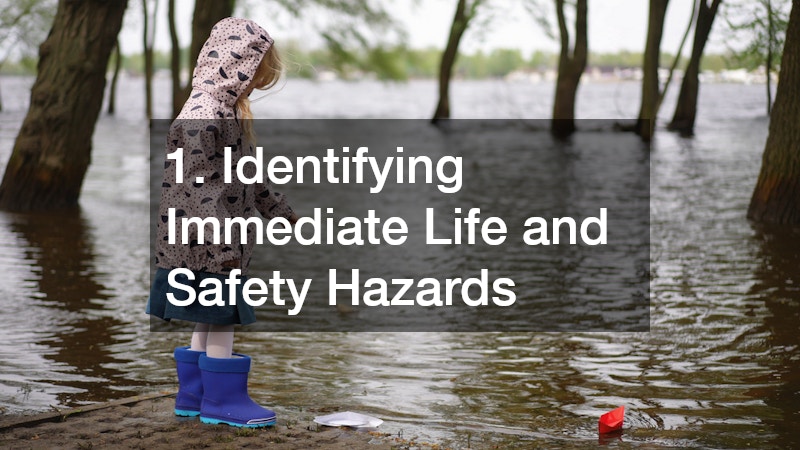
The very first step in reclaiming a landscape after a severe weather event is a non-contact visual survey to identify threats that could cause immediate injury or death. After heavy winds or flooding, the ground is often saturated, which can lead to unpredictable movements in both the soil and the structures anchored within it. Hazards are often obscured by secondary debris; for instance, a fallen fence might be concealing a ruptured gas line, or a pile of brush could be hiding a sinkhole. It is vital to maintain a wide perimeter around the most heavily damaged areas until you can verify that the environment is stable.
Specifically, the most critical risk involves the intersection of water and infrastructure. If you notice any downed wires, even if they do not appear to be sparking, you must assume they are live and keep a distance of at least 30 feet. In many residential areas, landscape lighting and power to detached garages or sheds are common, and these systems are frequently compromised during a storm. If your yard contains extensive lighting or outdoor power outlets, it is imperative to contact licensed electricians to inspect the external circuitry before you attempt to clear debris or step into standing water.
2. Assessing the Stability of Mature Canopy Trees
Once the electrical and utility hazards have been addressed, the focus must shift to the largest and heaviest elements in the landscape: the trees. Large hardwoods and ornamentals are capable of sustaining immense structural damage that isn’t always obvious to the untrained eye. A tree that is leaning only slightly more than usual, or one that has lost a significant portion of its upper branches, may be in a state of “unstable equilibrium,” meaning the next gust of wind or even a shift in soil moisture could trigger a total collapse. It is important to look for “heaving” at the base of the trunk, where the soil is lifting or cracking, as this indicates that the root plate has begun to fail.
Because of the extreme weight and the unpredictable way that fallen timber can “spring” or roll when cut, professional intervention is the only safe path forward for large-scale damage. Engaging with reputable residential tree services ensures that the assessment is handled by certified arborists who understand the physics of storm-damaged wood. These experts use specialized rigging, aerial lifts, and high-capacity equipment to dismantle damaged trees from the top down, rather than simply cutting from the bottom, which can cause the trunk to kick back or split.
3. Managing Large-Scale Debris and Biohazards
As you move deeper into the cleanup process, the sheer volume of organic and inorganic debris can become a logistical nightmare that interferes with the ability to see further damage. Storms often deposit a mixture of mud, rotting vegetation, and broken building materials that can harbor mold, bacteria, or even displaced wildlife such as snakes and rodents. This mass of material is often too much for standard residential trash services to handle and requires a coordinated effort to remove. Proper debris management is essential for preventing the “suffocation” of your lawn and garden beds, as thick layers of wet mulch and silt can kill the underlying root systems of your grass and shrubs within just a few days of the sun coming back out.
When the damage exceeds the capacity of a standard weekend cleanup, it is often necessary to hire a professional damage restoration company to manage the site. These organizations are equipped with heavy-duty vacuums, moisture probes, and industrial-scale hauling equipment designed to clear large areas quickly and safely. They don’t just move the mess; they sanitize affected areas and ensure that water is being diverted away from your home’s foundation to prevent secondary issues like basement flooding or mold growth.
4. Evaluating the Integrity of Permanent Perimeter Barriers

Fences and retaining walls serve as the skeletal structure of your property’s boundaries, and their failure during a storm can lead to immediate security and liability issues. High winds exert incredible “sail pressure” on solid fences, which can snap wooden posts at the ground line or pull metal anchors straight out of their concrete footings. Even if a fence is still standing, it may be leaning at an angle that compromises its structural integrity, making it a hazard for children or pets. It is also important to check the “tension” of chain-link or wire fences, as fallen limbs can stretch these materials beyond their elastic limit, rendering them useless for containment.
To ensure that your property remains secure and that your liability is minimized—especially if you have a swimming pool—you should consult with professional fencing contractors to evaluate the damage. These specialists can determine if a fence can be shimmed and braced back into position or if the structural damage to the posts requires a full replacement. They also have the tools to ensure that new posts are set deep enough to withstand future soil saturation and wind events. In many cases, a professional can offer “storm-tough” upgrades, such as reinforced post sleeves or wind-vented panels, which allow air to pass through the fence during high-wind events, significantly reducing the likelihood of a repeat failure in the future.
5. Critical Interventions for Hazardous Overhangs
While some trees may survive a storm with their trunks intact, the upper canopy often holds “hanging” branches that are no longer attached to the tree but are caught in the remaining limbs. These are colloquially known as “widow-makers” because they can fall without warning at any time, even in perfectly calm weather. These hazards make the ground beneath them a “no-go zone” for homeowners and pets alike. Identifying these requires a careful, 360-degree inspection of every tree on the property from a safe distance using binoculars.
In cases where a tree is clearly beyond saving or is leaning precariously over a structure, the most urgent task becomes total tree removal to prevent further property damage. This is a high-stakes operation that involves calculating the fall zone and using guide ropes to steer the descent of the wood. Professional crews are trained to work in tight urban or suburban spaces where there is very little room for error, protecting your roof, your neighbors’ property, and your utility lines. By removing the threat entirely, you clear the way for other contractors to enter the site safely, as many repair professionals will refuse to work on a house or in a yard if there is a compromised tree looming over the work zone.
6. Inspecting Hardscape Surfaces for Subsurface Erosion
Hardscaping features, such as patios and walkways, are often viewed as permanent and indestructible, but they are highly susceptible to the forces of moving water and soil expansion. During a severe storm, heavy rainfall can cause “piping” or “undermining,” where water finds a path beneath the hardscape and washes away the compacted gravel or sand base that supports the surface. This creates a hollow void that may not be visible from above but will eventually cause the surface to crack or collapse under the weight of a person or furniture.
If you discover that your patio has begun to shift or sink, you will likely need the expertise of hardscaping contractors to perform a proper repair. Simply filling a crack with new mortar or sand is a temporary fix that ignores the underlying problem of soil erosion. A professional will often need to lift the affected sections, replace the lost sub-base material with crushed stone, and re-compact the area to ensure it can handle future drainage. They can also assess whether the pitch of the hardscape needs to be adjusted to better direct water away from the house during the next heavy downpour.
7. Assessing Modular Paving Systems for Shift and Lift

Modular systems, such as those using interlocking stones, are popular because of their flexibility and aesthetic appeal, but they can be displaced by extreme hydrostatic pressure. When the ground becomes oversaturated, the water pressure from beneath can actually “lift” the stones out of their bedding, a phenomenon often seen in areas with poor drainage. Furthermore, if a storm causes a tree root to heave, it can send a ripple through an entire paved area, dislodging dozens of units and creating significant trip hazards.
A single displaced concrete paver might seem like a minor issue, but it is often the “canary in the coal mine” for a larger drainage failure. To fix this correctly, each affected unit must be removed, the bedding layer must be screened and leveled, and the units must be reinstalled and resanded with polymeric sand, which hardens to resist future washouts. This process requires a steady hand and specific tools like plate compactors and masonry saws to ensure the finished product is flush with the surrounding area. Ignoring these small shifts can lead to a “domino effect” where the entire walkway becomes a jagged, dangerous path that is impossible to navigate safely in the dark or in inclement weather.
8. Restoring Specialized Backyard Features
The modern backyard is often a sophisticated environment featuring built-in kitchens, fire pits, and intricate masonry work that requires specialized care after a disaster. These features are often heavy and rigid, making them prone to cracking if the ground beneath them shifts even a fraction of an inch. Furthermore, gas lines and water pipes for outdoor kitchens are often buried at shallower depths than house mains, making them vulnerable to damage from falling tree roots or soil erosion. After a storm, it is crucial to smell for gas and check for any unusual wet spots that might indicate a subsurface plumbing leak. These “lifestyle” zones are often the heart of the home during the summer, and their restoration is a key part of returning to normalcy.
Restoring the structural and aesthetic integrity of these areas typically falls under the umbrella of backyard hardscaping, which combines masonry skills with a deep understanding of outdoor engineering. A professional can evaluate whether a retaining wall has bowed under the weight of saturated soil or if a built-in grill island has settled unevenly. They can also integrate new drainage solutions, such as hidden “weep holes” or decorative channel drains, to ensure that the next storm doesn’t result in the same level of destruction.
9. Repairing Driveways and Vehicular Access Paths
The driveway is often the most used piece of “infrastructure” on a residential property, and its failure can prevent emergency vehicles or repair crews from accessing your home. Severe storms, particularly those involving extreme heat followed by heavy rain, can cause asphalt to expand, contract, and eventually buckle. Water that enters existing small cracks can wash away the sub-grade, leading to the formation of deep potholes or “alligator cracking,” where the surface takes on the appearance of scales. If your driveway is adjacent to a slope, a storm can also deposit thick layers of mud and debris that can scour the surface as it washes over, stripping away the protective seal coat and exposing the porous aggregate underneath.
Because driveways must support the weight of heavy vehicles, any repair must be handled with industrial-grade materials and techniques. You should reach out to professional paving companies to conduct a thorough evaluation of the damage. They can determine if the issues are merely on the surface or if the entire driveway needs to be excavated and the base rebuilt. A professional team will have the specialized equipment, such as heated rollers and asphalt distributors, to create a seamless bond between the old and new materials. This is vital for preventing water from infiltrating the seam, which is the most common cause of premature driveway failure in the years following a major weather event.
10. Long-Term Surface Protection and Maintenance
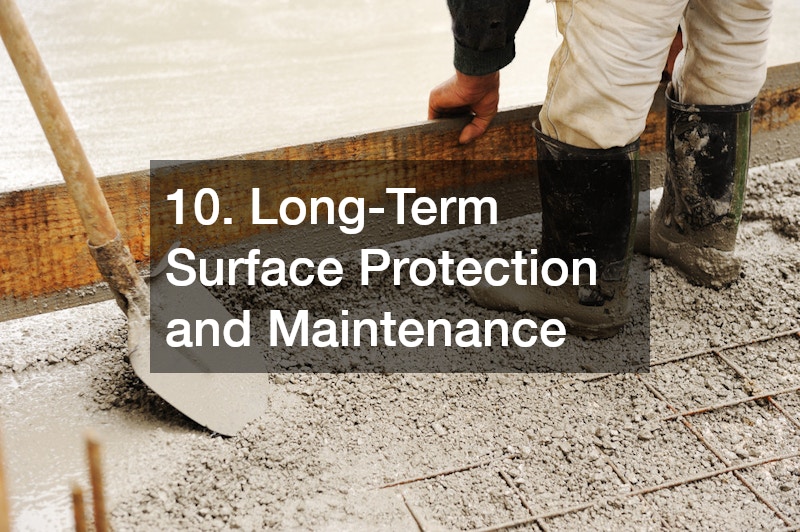
The final stage of the restoration process involves addressing the cosmetic and structural damage to asphalt and concrete surfaces that may not be immediate “emergencies” but will lead to failure if left unaddressed. Small fissures created by the stress of the storm can allow water to penetrate the surface during the next freeze-thaw cycle, causing the material to heave and break apart. Sealing these cracks and applying a fresh protective coating is a vital maintenance step that “locks” the repairs in place and provides a barrier against UV rays and future water intrusion.
For most homeowners, a professional asphalt repair service is the most cost-effective way to handle this final step. These crews use hot-pour rubberized crack fillers that remain flexible, allowing the driveway to move slightly without re-cracking. They can also apply a high-quality seal coat that restores the deep black color of the asphalt while providing a skid-resistant surface for your vehicles. By taking this proactive step at the end of the restoration process, you are essentially “weather-proofing” your property, making it more resilient and ensuring that the next time a storm rolls through.
The journey from the initial shock of a storm-damaged yard to a fully restored and resilient landscape is a marathon, not a sprint. It begins with a disciplined assessment of safety, moves through a phase of professional intervention, and concludes with a focus on long-term durability. By following a structured approach—checking for electrical hazards, addressing dangerous tree canopies, and then meticulously repairing the hardscape and driveway—you protect your most valuable assets: your family and your home.
About the Author