Metal recycling plays a crucial role in managing environmental impacts. This article explores the different facets of how recycling metals can influence our environment and the various benefits it brings. As demand for metals continues to grow, recycling becomes a pivotal strategy for sustainable development.
What is the Environmental Benefit of Metal Recycling?
Recycling metals is significantly more efficient in terms of energy use when compared to producing metals from virgin raw materials. For instance, recycling aluminum saves up to 95% of the energy needed to produce the same amount of aluminum from bauxite ore. This substantial energy savings translates into less fossil fuel consumption, thereby also reducing the carbon footprint of metal production processes.
The energy savings from recycling are not only beneficial for the environment but also economically advantageous. By using less energy, the costs associated with energy procurement and consumption decrease, making the production process more efficient. Industries benefit from these savings, potentially lowering the costs of products and contributing to a more sustainable economy.
Decrease in Greenhouse Gas Emissions
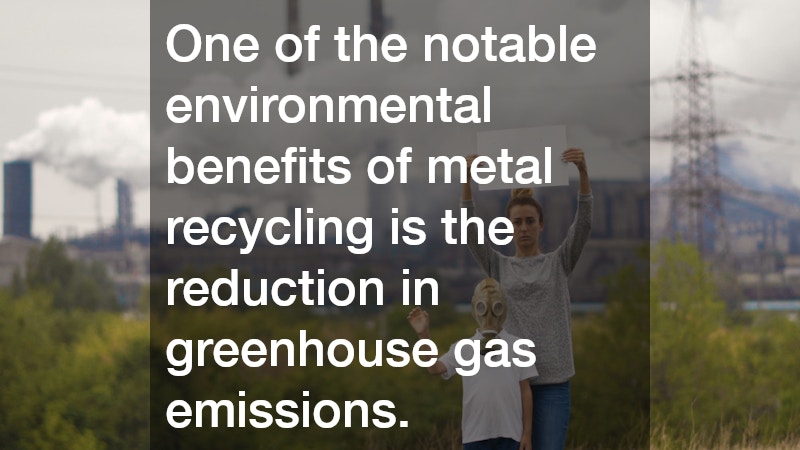
One of the notable environmental benefits of metal recycling is the reduction in greenhouse gas emissions. As the process requires significantly less energy than mining and refining raw materials, it inherently contributes to lower carbon dioxide emissions. For example, recycling steel reduces CO2 emissions by up to 58% compared to the production process from iron ore.
This reduction in greenhouse gases is crucial for combating climate change, as lower emissions lead to a smaller carbon footprint. By choosing recycled metals, industries play a part in global efforts to mitigate climate change by decreasing overall atmospheric pollution. This helps achieve international environmental targets set by various agreements and protocols, aiming at global climate stabilization.
Conservation of Natural Resources
Recycling metals plays a critical role in conserving natural resources, such as ores and minerals. By reusing metals, the necessity to extract new raw materials from the earth is significantly decreased. This not only lessens the environmental degradation caused by mining but also ensures the availability of these finite resources for future generations.
The conservation of natural resources through recycling contributes to maintaining biodiversity. Mining operations can lead to habitat destruction and loss of biodiversity, but recycling offers an alternative that reduces these detrimental impacts. By preserving natural ecosystems, we contribute to the resilience of environmental systems and the survival of wildlife.
How Does Metal Recycling Affect Ecosystems?
One of the direct impacts of metal recycling on ecosystems is the reduction of waste sent to landfills. Metals that end up in landfills can take centuries to break down, posing continuous risks to the surrounding environments. By recycling, we divert substantial amounts of waste from these sites, reducing the strain on natural ecosystems.
Recycling metals ensures that they are processed and reused, rather than accumulating in landfills. This process helps decrease landfill space usage and reduces the need to create new landfill sites, which often encroach on natural lands. Therefore, recycling contributes to preserving valuable land resources and minimizing ecosystem disruption.
Prevention of Habitat Destruction
One of the advantages of metal recycling is its ability to reduce the need for mining, thus preventing habitat destruction. Mining activities are notorious for their environmental toll, as they often result in deforestation, soil erosion, and loss of wildlife habitats. By recycling metals, we minimize the demand for new mining operations and consequently protect these vulnerable ecosystems.
The decreased need for mining due to recycling not only saves landscapes but also preserves the cultural and ecological significance of these areas. Communities living near mining sites often face displacement and loss of their ancestral lands, but recycling can mitigate these impacts by reducing dependency on raw material extraction. Preserving these habitats supports biodiversity, crucial for maintaining balanced ecosystems.
What are the Economic Impacts of Metal Recycling on the Environment?
The recycling industry is a significant source of employment, providing numerous green jobs that contribute to sustainable economic growth. As demand for recycled materials increases, so do the opportunities for jobs in collection, processing, and distribution. This job creation is crucial not only for economic development but also for the transition to a more sustainable, circular economy.
The recycling industry supports diverse employment opportunities across various skill levels and specializations. From manual labor positions to high-tech roles in research and development, recycling creates a wide array of job possibilities. This diversification can lead to more resilient local economies and improved community well-being.
Cost-Savings for Industries
Recycling provides significant cost savings for industries, as recycled materials are often less expensive than virgin resources. This financial advantage stems from reduced energy use and decreased reliance on raw materials, which can be volatile in price and supply. By using secondary raw materials, industries can stabilize their costs and improve their competitiveness.
The use of recycled metals also diminishes waste management expenses, as less industrial waste is generated and requires disposal. Companies can allocate these savings toward further innovation and development, creating a positive feedback loop that enhances both environmental and economic outcomes. Recycling contributes to more efficient and sustainable industrial practices.
Metal recycling offers numerous environmental advantages by conserving energy, reducing emissions, and protecting ecosystems. It economically benefits industries and promotes technological advancements that further sustain our planet. As a comprehensive solution, metal recycling encapsulates the synergy between environmental stewardship and economic opportunity.
By recycling metals, we contribute to a sustainable future where natural resources are preserved and the environmental burden of production is minimized. The positive impacts on ecosystems ensure the health and diversity of our planet, while economic benefits foster resilient industries and communities. Metal recycling is not just a practice; it is a commitment to a harmonious and prosperous coexistence with nature.
About the Author