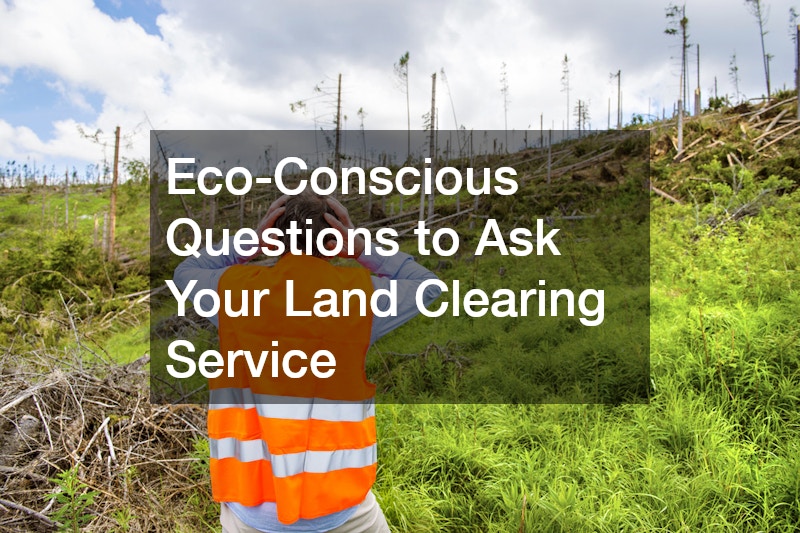
Clearing land is often a necessary first step for construction, agriculture, or property development, but it can also have a significant environmental impact if handled carelessly. Soil disruption, habitat loss, and unnecessary waste are common concerns when heavy equipment and large-scale vegetation removal are involved. For property owners who value sustainability, choosing the right land clearing service means looking beyond price and speed. Asking thoughtful, environmentally focused questions can help ensure the work is done responsibly while still meeting project goals.
How Will Environmental Impact Be Minimized?
One of the most important questions to ask is how the contractor plans to reduce environmental disruption. An experienced provider should be able to explain their approach to preserving healthy soil, preventing erosion, and protecting nearby waterways. Techniques such as selective clearing, mulching, or phased work can significantly reduce damage compared to complete, indiscriminate removal.
You may also want to ask how they identify and protect sensitive areas. This includes wetlands, slopes, mature trees, or habitats for local wildlife. A responsible land clearing service should conduct a site assessment before work begins and adjust methods accordingly. Understanding how they manage runoff, sediment, and compaction will give you insight into their commitment to sustainable practices rather than a one-size-fits-all approach.
What Happens to the Cleared Vegetation and Debris?
Another critical consideration is what happens after trees, brush, and vegetation are removed. Simply hauling everything to a landfill is often the least sustainable option. Ask whether the company offers recycling or repurposing solutions, such as chipping wood into mulch, creating compost, or salvaging usable timber.
Many eco-conscious providers use modern equipment that allows debris to be processed on-site. Mulching, for example, can return organic material to the soil, improving moisture retention and reducing erosion. Understanding these options helps you determine whether the land clearing service prioritizes waste reduction and resource efficiency.
It’s also wise to ask about burning practices. In some areas, open burning may still be allowed, but it can release pollutants and pose fire risks. A contractor who offers alternatives or follows strict regulations demonstrates a higher level of environmental responsibility. Knowing how debris is handled ensures the clearing process aligns with your sustainability values and local environmental standards.
How Do You Ensure Compliance and Long-Term Sustainability?
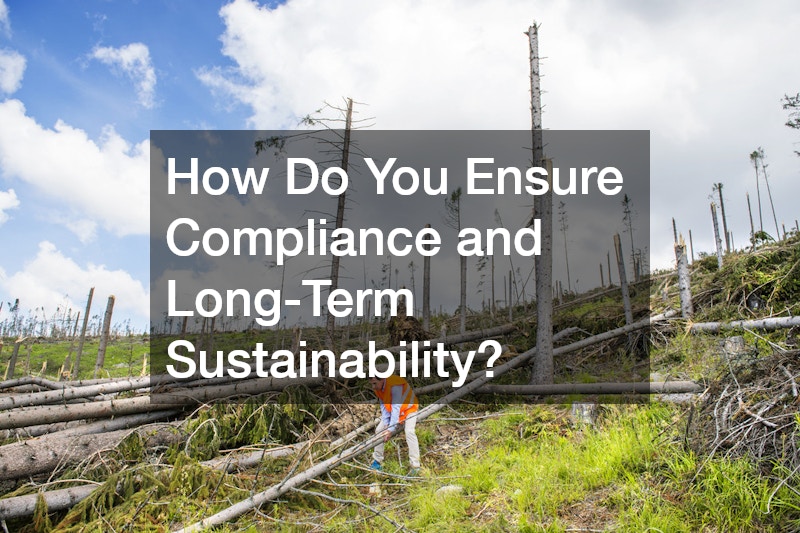
Environmental responsibility doesn’t end once the land is cleared. Ask how the contractor ensures compliance with local, state, and federal regulations related to land disturbance. Permits, environmental impact requirements, and zoning rules can vary widely, and violations can lead to fines or project delays. A knowledgeable provider should be familiar with these requirements and willing to handle the necessary paperwork.
You can also ask about their experience with erosion control and site stabilization after clearing. Measures such as silt fencing, replanting, or grading can help protect the land from long-term damage. A reputable land clearing service will view these steps as part of the job, not optional add-ons.
Finally, consider asking about their equipment and fuel usage. Modern machinery with efficient engines and proper maintenance produces fewer emissions and operates more precisely. Some contractors may even use low-impact or specialized equipment designed to minimize soil disturbance. These details reflect a broader commitment to sustainability and responsible land management.
By asking eco-conscious questions, you gain a clearer picture of how a contractor operates and whether their values align with your own. Choosing a land clearing service that prioritizes environmental care not only protects the land but also supports healthier ecosystems and more sustainable development outcomes for the future.
About the Author