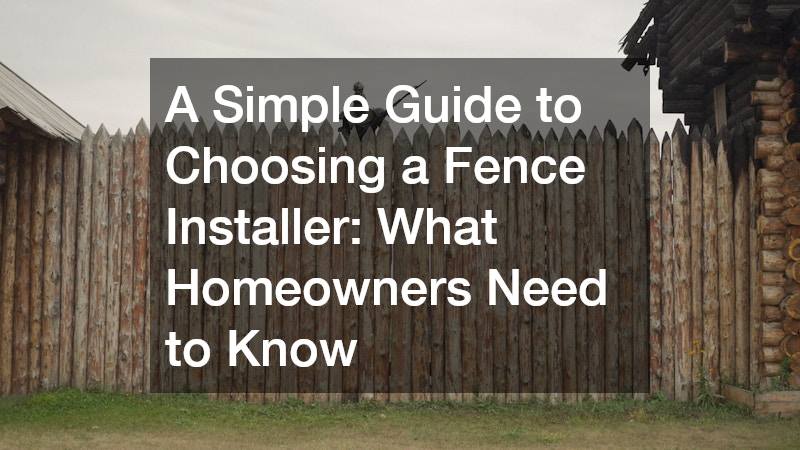
If you’re planning to add a fence to your yard, hiring a fence installer is one of the best decisions you can make. A fence does more than outline your property—it adds privacy, improves security, boosts curb appeal, and can even increase your home’s value. Whether you want a wooden fence for a warm, classic look or a strong metal fence for added safety, a skilled installer can help you get the job done right. Understanding what fence installers do and how to choose the right one will make your project smoother and less stressful.
Why Hiring a Professional Fence Installer Matters
While some people try to build a fence on their own, fencing is more complex than it looks. A professional installer has the tools, skills, and experience needed to ensure your fence is sturdy and properly aligned.
Ensures Long-Lasting Quality
A fence that is not installed correctly can lean, sag, or break easily. A professional fence installer knows how to set posts at the proper depth, measure accurately, and secure panels so they stay strong through rain, wind, and time.
Saves You Time and Effort
Installing a fence is hard, physical work. It often requires digging holes, mixing concrete, cutting materials, and precise measuring. Hiring an installer means the job gets done faster and without the hassle of doing it yourself.
Helps With Permits and Property Lines
Many areas require permits for new fences. A professional installer understands local rules and ensures the fence is placed within your property boundaries to avoid issues with neighbors.
Popular Types of Fences Installers Can Build
A fence installer can help you choose the right style and material based on your needs, budget, and the look you want.
Wood Fences
Wood fences are popular because they look natural and offer good privacy. They can be built in many styles, including picket, privacy, or shadowbox. Wood can be stained or painted to match your home.
Vinyl Fences
Vinyl fences are low maintenance and long-lasting. They don’t rot or need painting, making them a great choice for families who want a clean, modern look with little upkeep.
Chain-Link Fences
These fences are affordable and strong. They’re ideal for pets, gardens, and large yards. While they don’t offer as much privacy, they are very durable and cost-effective.
Metal and Aluminum Fences
Metal fences provide a stylish and secure option. Many homeowners choose aluminum for its elegant look and rust resistance. These fences work well for front yards, pools, and decorative boundaries.
Composite Fences
Composite materials combine wood fibers and plastic, offering the appearance of wood without the maintenance. They are strong, long-lasting, and great for privacy.
What To Expect During the Installation Process
Hiring a fence installer means the project will follow a clear and organized process. Knowing what happens can help you prepare.
Step 1: Consultation and Planning
The installer meets with you to discuss your goals, budget, and preferred materials. They may walk your property, take measurements, and provide suggestions based on your needs.
Step 2: Getting Permits
If required, the installer helps you get permits from local authorities. They also make sure the fence follows height and placement rules.
Step 3: Preparing the Yard
The installer clears the area, marks property lines, and prepares the ground. This ensures the fence is built in the correct location.
Step 4: Setting the Posts
Fence posts are set in concrete to make the structure strong. This is one of the most important steps because the posts support the entire fence.
Step 5: Installing Panels or Rails
Once the posts are secure, the installer attaches panels, pickets, or rails. Everything must be aligned correctly for the fence to look straight and professional.
Step 6: Final Inspection and Cleanup
The installer checks the entire fence for stability and appearance. After finishing, they clean up debris, tools, and leftover materials.
How To Choose the Right Fence Installer
Picking the right professional will make your project smoother and stress-free.
Check Reviews and Recommendations
Look for installers with positive customer reviews and strong ratings. Asking neighbors or friends for recommendations can also help you find someone trustworthy.
Ask About Experience
An experienced fence installer knows how to handle uneven yards, complex designs, and tricky layouts. Ask how long they’ve been in business and what types of fences they specialize in.
Request a Written Estimate
A clear estimate helps you understand the costs of materials and labor. It also provides a reference point if changes need to be made later.
Make Sure They Are Licensed and Insured
Proper licensing and insurance protect you if something goes wrong during the project. This is an important step in choosing a reliable installer.
Tips for Maintaining Your New Fence
Once your fence is installed, proper care will help it last for many years.
Wood Fence Care
Stain or seal your wood fence every few years to protect it from moisture and sunlight.
Vinyl Fence Care
Vinyl fences only need occasional cleaning with soap and water.
Metal Fence Care
Check for rust spots and repaint or treat them as needed to keep the fence strong.
Inspect for Damage
After storms or high winds, walk along your fence to check for loose panels or broken pieces. Early repairs help prevent bigger issues later.
Final Thoughts
Hiring a professional fence installer is the best way to make sure your new fence is strong, attractive, and built to last. Whether you want privacy, security, or a stylish upgrade for your yard, a skilled installer can guide you through materials, design, and proper placement. With expert planning, quality installation, and regular maintenance, your fence can protect and beautify your property for many years. As more homeowners recognize the value of hiring a fence installer, it continues to be one of the smartest investments for improving outdoor living spaces.
About the Author