Many home gardeners dream of extending their growing season, protecting delicate plants from harsh weather, and maximizing their overall yield. A hoop house offers an excellent solution for achieving these goals without the financial investment required for a glass greenhouse. These versatile structures create a controlled microclimate that shields crops from frost, excessive wind, and pests. As agricultural practices have evolved, hoop buildings have become popular for residential gardening due to their affordability and durability. However, finding the perfect structure requires careful consideration of various factors, including materials, dimensions, and environmental controls.
When you decide to invest, it is essential to understand what features dictate long-term durability. By evaluating a few key components, gardeners can select a shelter providing optimal growing conditions for many years.
Evaluating the Structural Framework
The foundation of any reliable garden shelter lies in its framework. Because these structures must withstand unpredictable weather, including heavy snow and high winds, the frame material is paramount. Typically, the most durable options are constructed from heavy-gauge galvanized steel tubing. Galvanized steel resists rust and corrosion, which is critical in the high-humidity environment generated by plants. When comparing different hoop buildings, carefully examine the diameter and gauge of the steel pipes. A lower gauge number indicates thicker steel, translating to a more robust frame. Additionally, consider how the frame is anchored. Proper anchoring systems prevent the structure from collapsing during severe storms. Investing in a superior framework ensures the shelter remains a reliable fixture, rather than a temporary fix needing rapid replacement.
Selecting the Right Cover Material
Once the framework is assessed, the next crucial component is the covering material. The cover traps heat, diffuses light, and protects delicate plants from the elements. Polyethylene film is the industry standard due to its flexibility and light transmission properties. When evaluating the plastic covering for hoop buildings, it is important to check the thickness measured in mils. A six-mil, ultraviolet-resistant polyethylene film is recommended for durability and thermal retention. Some models offer woven covers, which provide exceptional tear resistance against debris. Furthermore, it is beneficial to look for covers featuring anti-condensate treatments. Condensation can lead to water dripping onto plants, encouraging fungal diseases and reducing available sunlight. A high-quality, treated cover will maximize light diffusion, ensuring plants receive uniform sunlight while minimizing crop-damaging moisture accumulation.
Determining the Ideal Size and Shape
Choosing correct dimensions for a garden structure requires balancing available yard space with gardening ambitions. It is a common sentiment among gardeners that they quickly outgrow their initial space. If the property allows, purchasing a slightly larger unit than currently needed is a wise strategy. The shape of the structure also plays a significant role in performance. Traditional rounded profiles shed snow adequately, but Gothic-style arches with a peaked roofline offer superior snow shedding and increased interior headroom. This extra vertical space benefits tall crops like indeterminate tomatoes. When shopping for hoop buildings, measure the designated footprint and consider height requirements. Adequate interior space accommodates more plants and makes it significantly easier to maneuver tools while tending to the garden.
Assessing Ventilation and Climate Control
While trapping heat is a primary function during colder months, excess heat and humidity during summer can become detrimental to plant health. Therefore, effective ventilation is a non-negotiable feature. Passive ventilation is typically achieved through adjustable roll-up side walls and end-wall vents. Roll-up sides allow gardeners to easily adjust airflow based on daily temperature fluctuations, while end vents allow hot air to escape from the highest point. When looking at options for hoop buildings, ensure the roll-up mechanisms operate smoothly and can be securely fastened to prevent flapping in high winds. Some advanced setups also incorporate automated ridge vents or louvered exhaust fans to maintain precise climate control. Ample airflow is necessary to regulate temperatures, replenish carbon dioxide levels, and prevent stagnant, humid air that promotes plant diseases within enclosed growing environments.
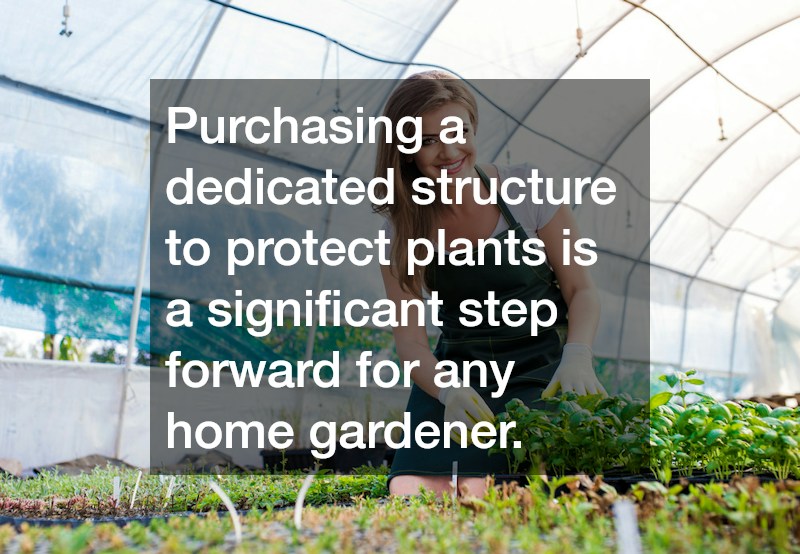
Purchasing a dedicated structure to protect plants is a significant step forward for any home gardener. By providing a stable microclimate, these shelters allow for an extended harvest and a broader variety of viable crops throughout the year. To ensure a successful investment, buyers must prioritize a heavy-duty galvanized steel frame, a thick ultraviolet-resistant cover, appropriate dimensions with adequate headroom, and comprehensive ventilation features. Quality hoop buildings are designed to offer many years of reliable service when properly selected and maintained. By taking the time to carefully evaluate the structural integrity and environmental control capabilities of all available options, gardeners can create an ideal, year-round sanctuary for their vegetables and flowers, ultimately leading to a more productive gardening experience.
About the Author