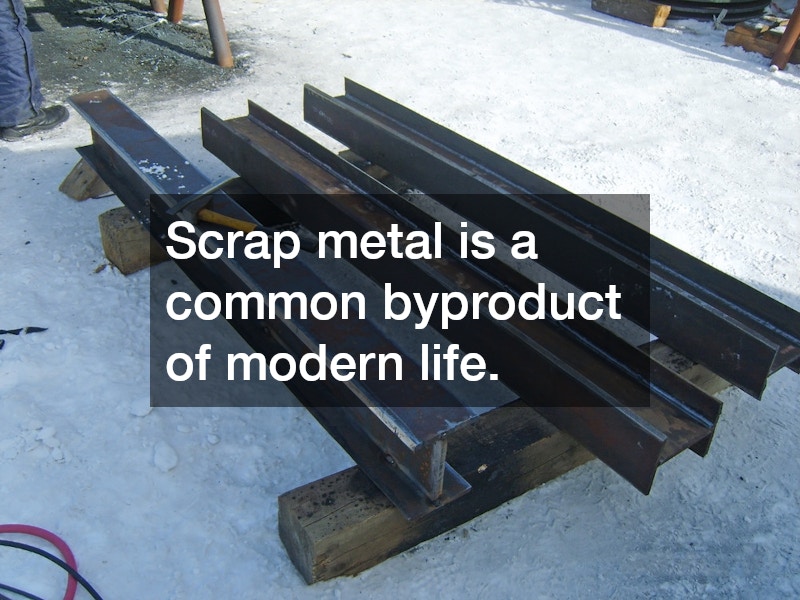
Scrap metal is a common byproduct of modern life. From worn-out appliances and automotive parts to construction debris and household fixtures, metal waste accumulates quickly. When improperly discarded, these materials often end up in landfills, contributing to soil contamination and forcing manufacturers to rely more heavily on mining raw materials. Traditional disposal methods waste valuable resources and increase environmental strain through energy-intensive extraction and processing.
Eco-friendly approaches to handling scrap metal offer a smarter alternative. By recycling and reusing metal responsibly, individuals and businesses can conserve natural resources, reduce greenhouse gas emissions, and support a circular economy.
This article explores sustainable methods for recycling scrap metal, outlines how to start a recycling business, and explains how individuals can contribute to environmentally responsible practices.
What Are the Eco-Friendly Methods for Recycling Scrap Metal?
To recycle effectively, it is essential to understand the two main categories of scrap metal: ferrous and non-ferrous. Ferrous metals contain iron and are typically magnetic. Steel and cast iron fall into this category and are commonly found in construction materials, vehicles, and large appliances. These metals are widely recycled due to their strength and abundance. Non-ferrous metals, on the other hand, do not contain iron and are generally more resistant to corrosion. Aluminum, copper, brass, and stainless steel are examples of non-ferrous metals frequently recovered from wiring, plumbing fixtures, beverage cans, and electronic devices. These metals often carry higher market value and require careful sorting to maintain purity. The recycling process differs slightly depending on the type of metal. Ferrous metals are usually separated using powerful magnets, while non-ferrous metals require advanced methods such as eddy current systems or sensor-based sorting. Proper identification and separation are crucial to maintaining quality and maximizing efficiency in the recycling stream.
Eco-friendly scrap metal recycling follows a structured process designed to minimize waste and energy use. It begins with collection, where scrap is gathered from residential homes, construction sites, manufacturing facilities, and demolition projects. Organized collection prevents illegal dumping and ensures materials enter the recycling chain instead of landfills. The next phase involves sorting and separation. Facilities separate metals by type and grade to ensure purity. Ferrous materials are removed magnetically, while non-ferrous metals are categorized using specialized equipment. This step significantly improves the efficiency and value of the recycled output. Once sorted, the metal is processed and shredded into smaller pieces. Shredding increases surface area, making melting more energy efficient. The material is then melted in high-efficiency furnaces where impurities are removed. After purification, the molten metal is cooled and formed into bars, sheets, or other shapes ready for manufacturing. Working with a reliable scrap metal recycling service ensures that each of these stages is handled responsibly and in compliance with environmental standards. Professional facilities are equipped to reduce emissions, conserve energy, and properly manage byproducts.
Recycling scrap metal offers substantial environmental and economic benefits. One of the most significant advantages is resource conservation. By reusing existing metal, the demand for mining new raw materials decreases, protecting ecosystems and reducing habitat destruction. Energy savings are another major benefit. Producing metal from recycled material uses significantly less energy than refining it from virgin ore. For example, recycling aluminum requires dramatically less energy compared to primary production, which directly reduces greenhouse gas emissions. Recycling also keeps metal out of landfills, preventing unnecessary waste accumulation and potential soil contamination. Economically, the industry supports jobs in collection, processing, and resale while providing businesses and individuals with an opportunity to generate income from unused materials. A dependable scrap metal recycling service plays an important role in connecting suppliers with processing facilities, strengthening the overall recycling infrastructure.
How Can Individuals Contribute to Scrap Metal Recycling?
Individuals can make a meaningful difference by properly managing scrap metal at home. Separating metal items from regular trash is the first step. Identifying whether an item is ferrous or non-ferrous, often by using a simple magnet, helps with correct sorting. Removing non-metal components when possible further improves recyclability. Instead of discarding unwanted metal, residents should locate a certified scrap metal recycling service in their area. Many providers offer convenient drop-off locations or scheduled pickups, making responsible disposal accessible and straightforward.
Communities play a vital role in promoting sustainable recycling habits. Local governments often host collection events or partner with recycling facilities to encourage participation. Educational programs in schools and community centers can raise awareness about the environmental importance of recycling metal. When neighborhoods actively support recycling initiatives, illegal dumping decreases and environmental stewardship becomes a shared responsibility. Community-driven efforts strengthen local economies while contributing to broader sustainability goals.
Beyond recycling, creative reuse offers another eco-friendly option. Scrap metal can be transformed into functional or decorative items such as furniture, garden art, shelving, or planters. Upcycling not only reduces waste but also encourages innovation and craftsmanship. Repurposing metal materials extends their lifecycle and reduces the need for new production, further minimizing environmental impact.
About the Author