Making a commitment to sustainable living often starts right where we spend most of our time: at home. Modern households consume a significant portion of total global energy, contributing to carbon emissions, utility grid strain, and resource depletion. Fortunately, updating your property with modern, energy-efficient infrastructure allows you to reduce your environmental footprint while simultaneously cutting down on utility costs. Transforming a house into an eco-friendly dwelling does not happen overnight, but through targeted system updates, structural upgrades, and smart home management, you can create a healthier, greener sanctuary for years to come.
Understanding how individual household systems work together is key to maximizing efficiency. An outdated appliance or an inefficient climate control system can waste tremendous amounts of electricity and gas. By strategically evaluating your home energy needs, investing in renewable resources, and maintaining critical equipment, you can take control of your environmental impact. This comprehensive guide explores actionable steps to modernizing your living space while keeping sustainability at the forefront of every decision.
Harnessing Renewable Power at Home
Transitioning from traditional fossil-fuel-generated grid electricity to clean, renewable energy is one of the most impactful choices a homeowner can make. Traditional power production releases vast quantities of carbon dioxide and other pollutants into the atmosphere. By capturing energy directly from natural sources, you create a self-sustaining system that powers your household without harming the planet.
Optimizing Roof Potential for Sunlight Capture
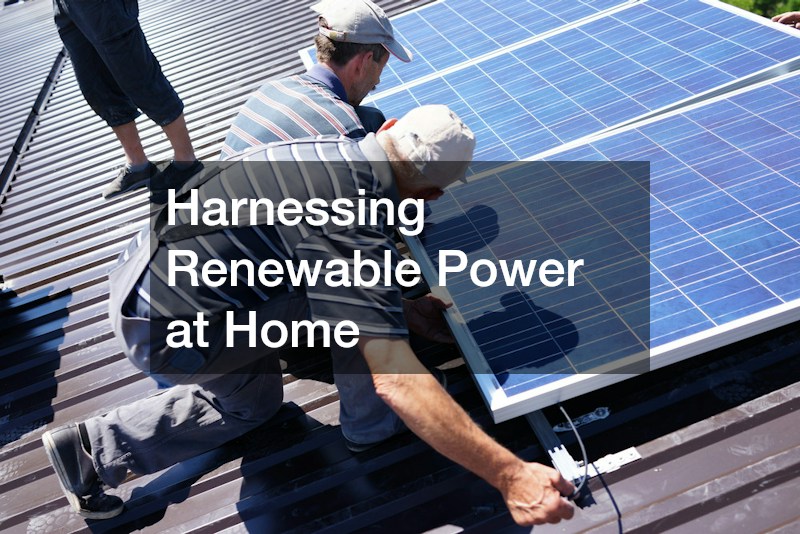
To effectively transition your property toward clean energy, you must evaluate your roof layout, sun exposure, and daily wattage consumption. Capturing clean sunlight requires proper structural support, adequate roof orientation, and minimal shading from surrounding trees. Installing solar panels allows you to generate clean, renewable electricity directly on your property, significantly shrinking your reliance on fossil fuels. When your system generates more energy than your household consumes during peak daylight hours, that excess power can often be fed back into the local grid, offsetting power usage during the night.
Professional Systems Setup and Integration
Implementing high-efficiency power equipment involves precise technical expertise, local permits, and specialized skill sets. Attempting DIY setups on major high-voltage hardware can lead to hazardous electrical faults or poor energy yields. Investing in a certified solar installation guarantees that your arrays are mounted safely, wired correctly, and configured to deliver maximum output throughout changing seasons. Professional installers will also help you navigate net metering programs, utility interconnectivity, and municipal building codes to ensure your system operates at peak efficiency.
Upgrading Distribution Panels and Wiring Systems
As homes incorporate more clean power technology, battery backups, and electric vehicle chargers, the demand placed on internal wiring increases exponentially. Older homes with outdated circuit panels often experience power drops or safety hazards when trying to support modern energy-demands. Hiring licensed electricians in St. Louis, MO ensures that your electrical network is fully updated to handle high-capacity renewable setups safely and efficiently. Modernized panels feature advanced safety breakers and optimized power distribution, preventing energy waste through resistance and line losses.
Partnering with Experts for Whole-House Efficiency
Upgrading electrical infrastructures requires comprehensive planning that extends far beyond simple fixture replacements. A skilled residential electrical contractor can evaluate your entire home to identify power leaks, outdated copper wiring, and inefficient subpanels. These experts can install smart load management systems that automatically route power to high-priority appliances while shutting off peripheral standby power during peak grid usage hours. By optimizing your interior distribution, you prevent invisible energy drain and extend the operating life of all connected electronics.
Modernizing Climate Control and Air Distribution
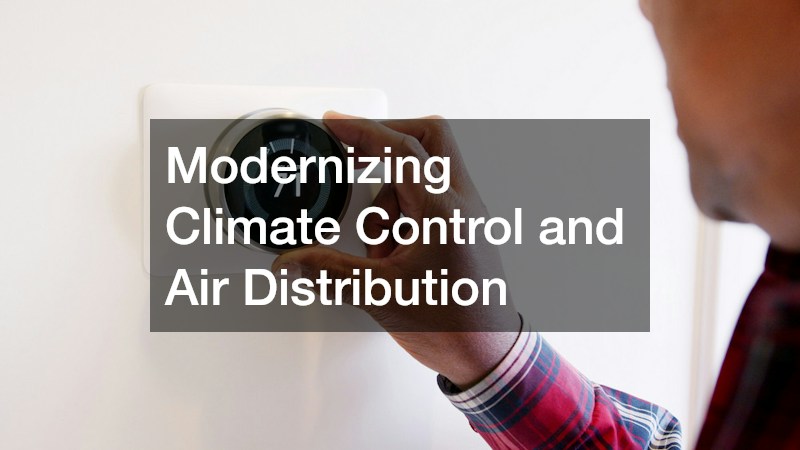
Heating and cooling account for more than half of the typical home energy consumption. Outdated furnaces, inefficient compressors, and leaky air ducts waste vast amounts of fuel while struggling to maintain comfortable indoor temperatures. Modern thermal management technologies rely on advanced variable-speed motors and smart monitoring to maintain optimal climate conditions using a fraction of the energy required by older systems.
Elevating Whole-Home Thermal Management
Maintaining an eco-friendly indoor climate requires regular assessment and replacement of outdated mechanical components. Scheduling professional HVAC services allows technicians to recalibrate thermostats, balance air distribution, and inspect internal components for wear. Modern climate control hardware utilizes eco-friendly refrigerants that do not deplete the ozone layer while delivering superior heat-exchange ratios. Regular checkups ensure that your system consumes the minimum necessary kilowatt-hours to maintain total comfort year-round.
Targeting Individual Zone Comfort Efficiency
Traditional central heating and cooling systems often waste energy by conditioning unoccupied rooms throughout the house. Implementing a ductless air conditioner provides precise, zone-based temperature control, allowing you to cool or heat specific living areas only when they are in use. Because these units do not rely on standard basement-to-attic ductwork, they completely eliminate the air transfer losses that often account for substantial efficiency drains in conventional central layouts.
Expanding Flexible Heating and Cooling Options
For homes that lack existing space for wide sheet-metal ductwork, multi-zone heat pump technology offers a powerful, space-saving alternative. Utilizing mini split air conditioning services allows homeowners to customize room temperatures throughout the residence using individual wall-mounted or ceiling-recessed handlers. These units leverage inverter technology to adjust motor speed dynamically rather than constantly switching on and off at full capacity. This smooth, low-energy cycle dramatically reduces daily power consumption and lowers peak electrical demand spikes.
Maintaining Peak Winter Efficiency
During cold winter months, an underperforming heating system can cause household utility bills to skyrocket while burning through excess natural gas or electricity. Securing a prompt Heating repair service when unusual noises, uneven warming, or cycle shorting occur prevents minor mechanical issues from escalating into major energy-draining failures. Servicing heat exchangers, replacing clogged air filters, and calibrating igniters ensures that your furnace converts fuel into usable warmth with maximum thermodynamic performance.
Selecting High-Efficiency Heating Systems
When an older heating system reaches the end of its functional life span, replacing it with a high-efficiency alternative is vital for long-term sustainability. Working with trusted Heating companies ensures that your new unit is correctly sized for your home square footage and insulation values. Oversized units cycle on and off too frequently, wasting fuel, while undersized units run continuously without reaching the desired temperature. Expert selection and proper installation eliminate these issues, optimizing your fuel usage for decades.
Water Conservation and Water Heating Innovations
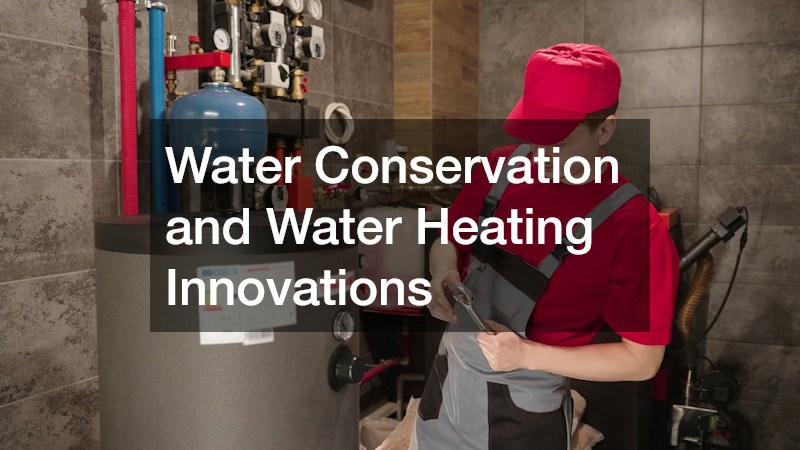
Water heating represents the second-largest energy expense in most residential properties. Traditional storage tanks continuously heat dozens of gallons of water all day and night, even when no one is home to use it. Modern plumbing technology focuses on on-demand heating, smart leak detection, and low-flow delivery fixtures to minimize both water consumption and energy usage.
Adopting On-Demand Water Heating Technology
Standard water heaters suffer from constant thermal loss as heat dissipates through the metal tank walls over time. By transitioning to on-demand heating systems, water is only heated at the exact moment a faucet or shower is turned on. Arranging for tankless water heater service and repairs keeps these specialized heating elements free from mineral scale buildup, ensuring fast, highly efficient heat transfer that cuts fuel consumption substantially compared to standard storage tanks.
Installing Low-Flow Water Fixtures
A major component of eco-friendly water management is reducing the volume of liquid required for daily hygiene and cleaning tasks. Replacing standard showerheads, kitchen faucets, and toilets with high-efficiency, low-flow models drastically lowers your daily gallon consumption. Advanced aerators mix air into the water stream, maintaining strong pressure while using significantly less liquid per minute. This reduces the total strain on local municipal water processing plants and lessens the volume of water your home heating system must process.
Implementing Smart Leak Prevention Systems
Undetected water leaks inside walls, under slabs, or around outdoor hose bibs can waste thousands of gallons of clean water annually while damaging home structures. Installing smart water monitoring valves directly on your main water line provides real-time pressure tracking and flow analysis. If a pipe bursts or a fixture runs continuously, these automated systems can alert your smartphone and automatically shut off the main valve, preventing catastrophic waste and severe structural water damage.
Utilizing Rainwater Catchment for Landscaping
Irrigating yards, flower beds, and garden plots with potable tap water is an unnecessary use of treated municipal resources. Setting up rain barrels or underground cisterns allows you to capture naturally occurring runoff from your roof gutters during rainy weather. This non-treated water is ideal for plants, lawns, and outdoor cleaning tasks, saving tap water for drinking and bathing while managing storm runoff on your property.
Insulation, Sealing, and Structural Envelopes

Even the most advanced heating and cooling equipment cannot operate efficiently if your home constantly leaks conditioned air to the outdoors. A tight, well-insulated building envelope acts as a thermal thermos, keeping cool air inside during the summer and retaining warmth during the winter. Updating insulation and sealing structural gaps is often the most cost-effective project for reducing overall household energy demands.
Upgrading Attic and Exterior Wall Insulation
Heat naturally rises, making uninsulated or poorly insulated attics the primary path for winter heat loss and summer heat gain. Replacing outdated fiberglass rolls with blown-in cellulose or expanding spray foam creates a continuous, high-R-value thermal barrier. Proper insulation keeps interior spaces at a stable temperature for longer periods, allowing your mechanical heating and cooling systems to rest, lowering energy consumption and reducing wear on critical equipment.
Sealing Air Leaks Around Windows and Doors
Small cracks around window frames, exterior door thresholds, attic hatches, and wall outlets can collectively act as an open window in your home. Conducting a simple air-leak inspection using incense sticks or a thermal imaging camera reveals where cold drafts enter and warm air escapes. Applying high-grade silicone caulk, expanding foam sealant, and weatherstripping around these entry points stops air infiltration instantly, stabilizing indoor temperatures without extra fuel usage.
Upgrading to Multi-Pane Energy-Efficient Windows
Single-pane windows offer virtually no resistance to outdoor thermal transfer, allowing intense sun rays to overheat rooms in summer and letting interior warmth radiate away in winter. Upgrading to double- or triple-pane windows featuring low-emissivity coatings and argon gas fills creates a strong thermal gap. These high-performance window units block harmful ultraviolet rays that fade furniture while preventing unwanted solar heat gain, reducing the load on your cooling equipment.
Insulating Exposed Pipes and Air Ducts
Exposed water pipes in basements or crawlspaces lose thermal energy long before the hot water reaches your kitchen sink or bathroom shower. Wrapping hot water supply lines with closed-cell foam pipe insulation keeps water hotter during transfer. Similarly, sealing sheet-metal duct joints with foil tape and wrapping ducts in thermal blankets prevents conditioned air from leaking into unconditioned basements and attic spaces, ensuring total air delivery to living zones.
Smart Automation and Resource Optimization
Modern smart home automation bridges the gap between mechanical upgrades and daily human behavior. Even the most efficient appliances waste resources if left running needlessly. Smart sensors, automated schedules, and intelligent algorithms give homeowners total visibility and fine-grained control over energy and water consumption from anywhere in the world.
Implementing Programmable Smart Thermostats
Manual thermostats rely on human memory to lower heat or air conditioning when leaving for work, which often leads to wasted energy in empty houses. Installing a smart thermostat allows the system to learn your daily household routines, automatically setting back temperatures when you depart and conditioning the space just before you return. Many models also sync with local weather forecasts to optimize compressor runtime based on humidity and outdoor temperatures.
Transitioning to Smart Lighting Solutions
Traditional incandescent lightbulbs convert nearly ninety percent of their consumed energy into waste heat rather than illumination. Swapping old bulbs for high-efficiency light-emitting diodes reduces lighting power consumption by up to eighty percent while lasting dramatically longer. Pairing these bulbs with smart switches, motion occupancy sensors, and automated timers ensures lights only illuminate occupied rooms, eliminating unnecessary overnight energy burn.
Managing Standby Power and Vampire Loads
Many modern electronics, including televisions, gaming consoles, microwaves, and computer chargers, draw power continuously even when turned off. This invisible power draw, often called vampire load, can account for a noticeable portion of a monthly electrical bill. Plugging home entertainment systems and office setups into advanced smart power strips automatically cuts power to peripheral devices when the main unit is turned off, ending phantom energy drain completely.
Monitoring Real-Time Household Power Use
Installing a whole-home energy monitor inside your main breaker panel provides a detailed live breakdown of power usage across individual circuits. These smart monitors identify which specific appliances are consuming the most power and highlight efficiency drops before equipment breaks down. With real-time energy usage data displayed clearly on a smartphone screen, homeowners can make informed decisions about when to run energy-intensive equipment like laundry machines and dishwashers.
Building a Greener Future Step by Step
Creating an eco-friendly living environment is a rewarding process that pays ongoing dividends in reduced energy bills, improved comfort, and environmental preservation. By addressing foundational electrical infrastructure, investing in clean energy generation, optimizing heating and cooling systems, and adopting smart home automation, you turn your home into a model of modern sustainability. Every update, whether large or small, directly reduces fossil fuel dependence and cuts down on environmental waste.
Taking action today does not require a complete overnight overhaul of your entire property. Prioritize the updates that offer the highest immediate efficiency gains for your specific building layout and climate zone. Over time, these combined updates will establish a highly efficient, self-sustaining living space that provides exceptional comfort while protecting the planet for future generations.
About the Author